Pain rests at the crossroads of physiology, psychology, and social context. It is not a single pathway you can obstruct, or a single tablet you can prescribe. When medical professionals understand modern-day discomfort administration, hospital remains reduce, readmissions decrease, and patients reclaim momentum in their lives. When we fall short, the impacts ripple across wheelchair, mood, and job, and they typically amplify injustices. A properly designed discomfort management accreditation course provides clinicians the structure, evidence, and technique needed to move from improvisation to intentional, risk-free, person-centered care.
This guide draws on years of professional mentor and bedside practice, from triage bays with severe burns to community visits with consistent low back puaeme008 pain. It details what you can get out of a pain management certification training course, exactly how to assess choices, and where specialized training for nurses and physio therapists adds worth. If you are considering a discomfort monitoring certificate training course to progress your scope or meet governing expectations, you will discover functional insights here, not marketing gloss.
Why formal training matters now
I have actually watched qualified clinicians think twice with discomfort choices due to the fact that the risks really felt high and the paths vague. One shift, a paramedic team provided an individual with an open tibial crack. The ED nurse had provided IV fentanyl en route, then we layered local anesthesia with ultrasound-guided fascia iliaca block. Forty mins later on, the patient's discomfort score had dropped from 9 to 2, blood pressure had actually maintained, and the orthopedics team might do a more extensive exam. The distinction was not innovation, however self-confidence constructed from intentional training.
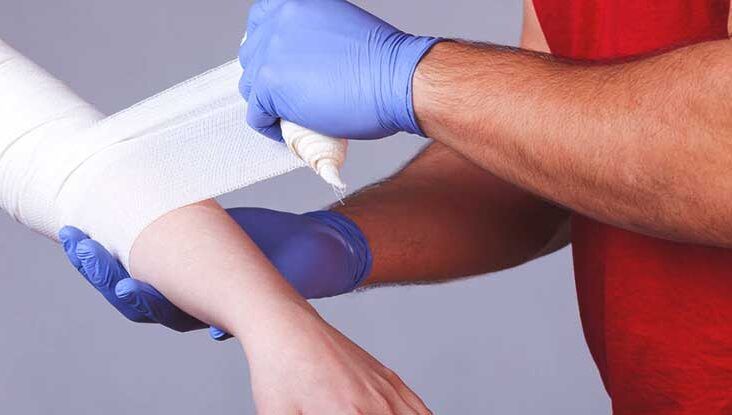
Pain monitoring training likewise safeguards individuals when policy winds change. Opioid stewardship programs, PDMP needs, and insurance scrutiny can make clinicians overly conservative or, at times, inappropriately liberal. A discomfort management qualification training course shows recommending structures, danger stratification, and keeping an eye on strategies that take on peer evaluation, while keeping person self-respect central.
What a solid discomfort monitoring program actually covers
Look for a certification training course in pain administration that integrates fundamental science with hands-on skills and reflective practice. The most effective pain monitoring training courses have four anchors: evaluation, multimodal treatment, interaction, and safety.
Assessment starts with mechanisms. Nociceptive, neuropathic, and nociplastic pain behave in different ways and react to different devices. Students ought to practice converting descriptors like burning, electric, or deep pain right into hypotheses regarding nerve participation or central sensitization. Great programs educate just how to calibrate numerical discomfort scales versus functional goals, not chasing after absolutely no but aiming for rest, mobility, and engagement. You must see material on warnings and pattern recognition, from cauda equina syndrome to compartment disorder and myocardial ischemia impersonating as epigastric discomfort. Programs that take analysis seriously likewise instruct society and bias. People that do not express distress the means we anticipate, or whose key language differs from the clinician's, typically receive much less analgesia and fewer alternatives. Role-play and organized feedback aid damage those patterns.
Multimodal therapy suggests incorporating pharmacology with procedures, movement, and mind-body approaches. In a normal pain administration qualification program, the pharmacology block surpasses application tables. Expect case-based conversations on NSAID choice in people with CKD phase 3, acetaminophen limits with lack of nutrition or persistent alcohol usage, and opioid rotations using equianalgesic charts that do not oversimplify cross-tolerance. Look for guideline on adjuvants like gabapentinoids, SNRIs, TCAs, topical lidocaine, capsaicin, and ketamine infusions where ideal. Nonpharmacologic modules ought to include task pacing, graded direct exposure, fundamental sleep treatments, 10 parameters, and when to describe CBT or acceptance and commitment therapy. If a program skimps on these, its graduates will over rely on medication.
Communication and alliance usually make a decision the end result. When a person has actually coped with pain for months, depend on is delicate. The much better discomfort monitoring training courses construct inspirational speaking with into the core. Clinicians find out to explore fear-avoidance, catastrophizing, and assumptions that discomfort need to be gotten rid of prior to any type of progress can take place. I have seen a five-minute discussion reframed from "nothing works" to "what benefited an hour, and just how can we improve that?" That shift adjustments everything regarding the plan.
Safety connections it all together. This includes allergy and cross-reactivity misconceptions, naloxone co-prescribing, digestive tract regimens with opioids, QTc factors to consider with methadone, serotonin disorder threat with polypharmacy, and renal dosing methods. It pain management courses additionally includes diversion prevention, appropriate paperwork for abused substances, and tapering methods that protect function and partnership. Emergency pain administration scenarios request tranquil pattern recognition, whether that is an IV hydromorphone trial versus subdissociative ketamine in the setup of trauma, or when to call anesthesia for an emergent block.
Who advantages most from a pain monitoring certification
The most regular guests in programs I teach consist of early-career hospitalists that want to standardize technique, progressed technique registered nurses in medical care, paramedics broadening into prolonged treatment pathways, and physiotherapists constructing competency in pain science and rated task preparation. Discomfort monitoring training courses for registered nurses typically prioritize pain assessment in high-acuity setups, rapid titration protocols, and individual education and learning with discharge preparation. Pain monitoring courses for physio therapists generally lean right into pain modulation, graded direct exposure, and incorporating hands-on therapy with neuroplasticity principles. When registered nurses and physios train together, the whole facility obtains stronger, because language and objectives align throughout disciplines.
Short courses hurting administration can serve active clinicians who require targeted refresher courses, especially in EDs and country health centers where generalists take care of every little thing. A 2 day workshop on ultrasound-guided blocks, ketamine methods, and nonpharmacologic options can transform the tone of a division. For those that need a robust credential, a discomfort administration certification program or a longer certification program hurting monitoring provides sustained mentorship and assessment.
Programs identified puaeme008 or provided as puaeme008 offer pain administration frequently refer to competency-based components within emergency situation care training structures. If you run in a system where puaeme008 offer discomfort administration is acknowledged, confirm that the educational program consists of respiratory tract safety while carrying out analgesia or sedation, recognition of time-critical conditions, and appropriate transfer of care notes. Also if you exercise outside that framework, the structure can be a helpful benchmark.
How to examine a pain management qualification course
You can assess curriculum all day, however the signal emerges when you inquire about patient-facing technique and faculty. That shows, and just how do they exercise? Do they see individuals weekly, and do they deal with complicated situations as opposed to just theme refills? Programs that combine doctors, NPs, nurses, and physio therapists as faculty deliver richer conversation and less dogma.
Ask for instance mix in assessments. A healthy and balanced program tests more than opioid conversions. It must offer a 78-year-old with spinal constriction and COPD, a 24-year-old with sickle cell vaso-occlusive dilemma, a 40-year-old landscaping company with lateral epicondylitis and stress and anxiety, and a 55-year-old with stopped working back surgical procedure syndrome on high-dose oxycodone. Centers rarely bring book individuals, and courses need to not either.
Scrutinize the mix of learning formats. Recorded lectures have their place, but mastery originates from spaced repetition, live discussion, and skills laboratories. Discomfort administration training for registered nurses gain from simulation around rapid-onset representatives, IV access in hypotensive clients, and naloxone rescue drills. Physiotherapists take advantage of live technique on pain education and learning manuscripts, flare-up plans, and movement experiments. Expect feedback loopholes that include chart audits or de-identified case testimonials. Those educate the habit of reflective method, which continues after the certificate ends.
Finally, examine the assessment plan. A pass that needs only attendance is a warning. You desire pre and post testing, observed structured clinical exams, and sensible demos like ultrasound-guided injection on phantoms or application calculations under time stress. That roughness makes certain the discomfort administration certificate implies something.

Inside the educational program: from acute to chronic
A thorough discomfort administration certification crosses time perspectives, from the first hour of discomfort to the 5th year.
Acute discomfort modules usually start in emergency discomfort management. Below, standards emphasize safety and speed. You will certainly practice making use of fentanyl in the unpredictable client versus morphine in the steady one, learn when ketorolac assists and when it hurts, and apply subdissociative ketamine for severe discomfort without airway concession. Lots of programs currently include regional anesthetic. I have actually trained ED registered nurses to establish for fascia iliaca blocks and paramedics to prepare intranasal fentanyl safely. The quantifiable result is smoother reductions, less sedations, and much shorter throughput.
Transitional and subacute discomfort modules deal with the weeks after an injury or surgical treatment. The big difficulty is preventing the slide into consistent pain. Expect web content on tapering strategies, assumptions establishing prior to surgical procedure, and very early mobilization. The very best programs educate that pain flare-ups are data, not failure, which daily function should lead adjustments more than a single numeric score.
Chronic discomfort sections call for nuanced thinking. They cover main sensitization, rest and state of mind interactions, endocrine ramifications of persistent opioids, and complex regional discomfort syndrome. You should practice analyzing discomfort layouts, neurologic screens that regulation in or out outer participation, and when to go after advanced imaging. You will certainly resolve opioid danger analyses, urine medication tracking approaches that do not criminalize individuals, and client contracts that concentrate on safety and security and partnership as opposed to dangers. Pharmacology broadens right here to consist of buprenorphine for discomfort, low-dose naltrexone in pick situations, and topical combinations.
Throughout, look for micro skills. Educating a diaphragmatic breath takes 2 minutes and can lower step-by-step pain. Training a client via graded exposure to flex towards the floor after months of worry can deliver much more relief than any type of tablet. Programs that installed these micro skills develop clinicians that have choices when the typical devices do not work.
Documentation and the medicolegal layer
Certification hardly ever focuses on documents, yet excellent documentation belongs to clinical craft. Your pain monitoring course must show how to videotape functional goals, risk conversations, and the reasoning for dose modifications. If you offer pain monitoring in setups with controlled-substance oversight, you require a documentation operations that takes under two minutes yet records assessment, plan, tracking, and a clear adhere to up period. I utilize templated phrases sparingly and prefer short, particular statements: "Goal: walk the pet dog two blocks away within 14 days. Danger discussed: oversedation. Begin duloxetine 30 mg nighttime, reassess mood and rest in two weeks, take into consideration 60 mg if endured and marginal benefit at 4 weeks."
Interprofessional partnership that really works
Pain rarely fits neatly in one lane. The discomfort administration training programs that altered my method educated me to share ownership and shield handoffs. For registered nurses, this implies very early flagging of unrestrained pain and prompt titration within procedure, plus client mentoring on what to expect from each medication. For physiotherapists, it indicates linking exercise prescriptions to the pharmacologic strategy, so the initial week of duloxetine associate low-load, constant activity that enhances a success signal. For prescribers, it suggests checking out PT notes for indicators of fear-avoidance and documenting just how the team will address them. The rhythm issues: medicine reduces activity, activity re-shapes perception, education and learning concretes new patterns. When each self-control understands the others' objectives, the person sees coherence.
Measuring results past numerical pain scores
Certification programs increasingly promote results that matter. Discomfort intensity matters, however it is not the only compass. Track rest latency, steps daily, capability to work, school presence, or time with grandchildren. In area settings I use 3 procedures regular: a 0 to 10 pain interference rating, mins of continual strolling, and a solitary inquiry concerning mood. If the discomfort rating falls however disturbance stays high, the strategy needs revision. The educational program should push you to choose and stick with a few metrics that you and the person can maintain.
Common risks and exactly how training helps stay clear of them
Several mistakes reoccur in technique. The first is dealing with neuropathic discomfort with intensifying opioids as opposed to first-line adjuvants and topical therapies. The second is failure to intend the end initially. If you start oxycodone after a crack, write the tapering strategy with the initial script, and timetable a check-in at day 5 rather than letting the refill demand land after hours. The third is merging client frustration with drug-seeking. Great programs assist separate unmet expectations from dangerous behavior, and they instruct manuscripts for responding without defensiveness.
Another mistake is perfect strategy paralysis. You will certainly never ever have ideal information. If a patient has not slept in days due to sciatic nerve pain, a short program of nighttime gabapentin while you arrange physical rehabilitation and sleep health might be the appropriate bridge. Training assists you make these calls with humility and comply with up, not handwringing.
Finally, clinicians occasionally neglect the simple comforts. A heat pack, a peaceful space, reassurance that the strategy remains in activity. In the ED, I set a timer for reassessment within 20 mins of IV analgesia. A quick return visit signals treatment, frequently minimizes repeat dosing, and builds trust.
What to get out of analysis and certification
Most discomfort monitoring certification training courses integrate expertise checks, functional skills, and case-based viva. You may demonstrate mixing a ketamine mixture, carry out an ultrasound-guided block on a phantom, or counsel a standard individual on tapering an opioid while recognizing previous injury. Created examinations test devices, dosing, and risk structures. Some programs include a portfolio of de-identified instances with reflective commentary. That last piece is worth your time. It educates you to see your own prejudices and habitual shortcuts.
On effective conclusion, you obtain a discomfort administration certificate that may satisfy organizational proficiencies or get approved for credentialing bonus offers. Past the paper, you should anticipate more simplicity in difficult discussions and less dilemmas in your panel. If the program also gives continuing expert development credit scores, confirm placement with your board or college before enrolling.
Tailoring your path: brief courses versus complete certification
You do not constantly require the ultimate option. If you are an ED nurse who needs sharper procedures for triage and first-hour treatment, brief training courses suffering administration with an emergency focus could be sufficient. If your group is turning out puaeme008 provide pain administration modules as part of a wider emergency training overhaul, straighten your understanding keeping that structure. Primary care medical professionals that handle intricate chronic pain and polypharmacy typically gain from a comprehensive pain administration qualification training course that includes longitudinal mentorship. Physiotherapists aiming to update pain scientific research education and graded exposure techniques typically locate that focused pain management training courses for physiotherapists deliver the very best return, specifically when coupled with situation consultation.
For registered nurse specialists broadening suggesting obligations, a certification program suffering management that consists of opioid stewardship, buprenorphine for persistent discomfort, and state-specific legislation is worth the extra time. Pain administration training for registered nurses that function in inpatient settings should include PCA methods, keeping track of for respiratory system depression on the ward, and escalation pathways.
How providers can incorporate discovering the following day
A program just matters if it changes Tuesday mid-day. The morning after your final component, select 2 habits to start instantly. You might decide to make use of a useful goal declaration in every note, and to present a five minute breath and activity micro ability with each brand-new consistent discomfort patient. Or, if you work in an ED, supply intranasal atomizers, standardize pre-mixed ketamine focus, and include a fascia iliaca block kit to your step-by-step cart. Small, visible changes send out a clear message to coworkers and clients: pain is being taken care of systematically and humanely.
A pragmatic roadmap for selecting a course
- Ask for an example lecture and a skills laboratory overview. If you can not see just how the web content equates to your center, keep looking. Check professors technique patterns. Active clinicians with mixed severe and persistent caseloads instruct one of the most useful material. Verify assessment roughness. Try to find OSCEs, situation profiles, and supervised simulations rather than attendance-only credit. Confirm interprofessional accessibility. Programs that welcome registered nurses, prescribers, and physio therapists foster teamwork you can carry home. Review post-course support. Office hours or instance speaks with over 3 to six months make the finding out stick.
A quick instance that connects it together
Maria, 46, presents with two years of reduced neck and back pain after a training injury. She attempted recurring NSAIDs, 2 short opioid courses, and passive treatments. She rates discomfort at 7 however reports she can sit for just 10 mins and has gotten 8 kgs. Her mood is low, and sleep is broken.
A clinician educated by strong discomfort monitoring training might take this path. First, reframe goals towards feature: walk 15 mins daily and return to light gardening in 6 weeks. Second, screen for warnings, then analyze for neuropathic functions. If none dominate, start a nonpharmacologic base: short daily movement with graded direct exposure, diaphragmatic breathing, and sleep organizing. Include duloxetine 30 mg nighttime, strategy to reassess in 2 weeks, and develop to 60 mg at 4 weeks if tolerated. Prevent opioids throughout this stage. Give a flare-up strategy that consists of warmth, brief rest, after that a decrease to 70 percent of the previous activity for two days before resuming progression. Reserve physical rehabilitation focused on pacing and fear-avoidance. Record a follow up employ one week to repair very early barriers.
Three weeks later, Maria rests 5 hours, strolls 12 mins without enhancing discomfort the following day, and reports much less concern about flexing. Her numeric pain score sits at 5, yet disturbance has actually gone down. Progression is genuine. A small amount of organized pharmacology, targeted movement, and steady training defeated repeated brief opioid manuscripts. That is the kind of shift that a pain management accreditation embeds right into day-to-day practice.

Final ideas for medical professionals all set to degree up
Whether you are going after a formal discomfort monitoring qualification, a pain administration certification program customized to your function, or a collection of focused workshops, the goal coincides: dependable, gentle treatment that balances relief with safety. The right program outfits you to give pain administration in disorderly minutes and in long, peaceful months of rehabilitation. It offers registered nurses the confidence to titrate and inform, physiotherapists the devices to clarify and progress, and prescribers the frameworks to choose wisely.
If you choose well, you will certainly not just pass an examination. You will certainly change the mood in your center. Patients will certainly really feel seen, your team will certainly connect in a typical language, and your paperwork will defend itself. That deserves the moment, and your people will notice the difference.